
Reviving Bengal’s Folk Dance: The Role of Kolahaal in Supporting Artists During Lockdown
6/20/20265 min read
The Rich Heritage of Folk Dance in Bengal
The rich heritage of Bengal's folk dance encompasses a vibrant array of artistic expressions that are deeply rooted in the region's history and culture. This dynamic art form serves not only as a mode of entertainment but also as a vessel of cultural identity, preserving the traditions and stories of the Bengali people across generations. Each folk dance style is distinct in its characteristics yet shares a common goal: to celebrate community, tradition, and life itself.
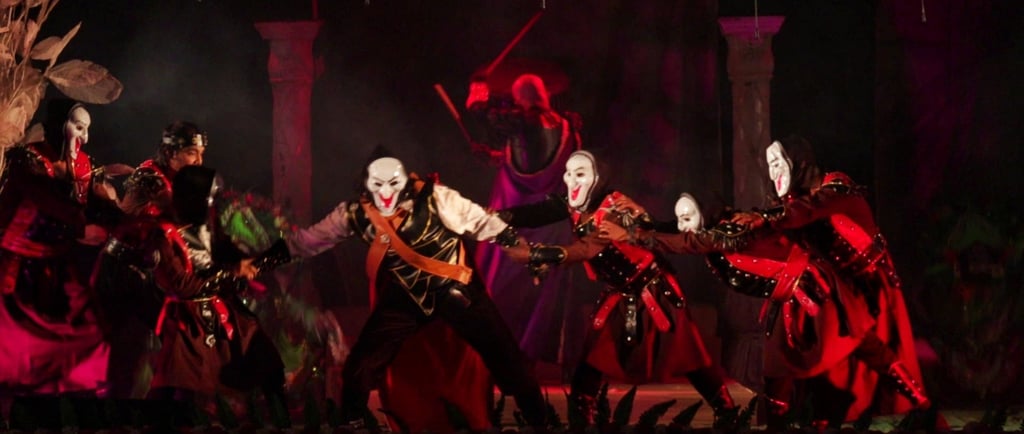
One of the most prominent forms of folk dance in Bengal is the Chau dance, characterized by its martial and acrobatic movements, accompanied by traditional music played on drums. Originating from the Purulia district, Chau performers often don elaborate masks that represent mythological characters, contributing to the ethereal experience of the performance. This dance form is typically showcased during festivals such as Chhath and Shivratri, where performers enchant audiences with their vigorous choreography and spirited narrations.
Another notable folk dance is Raibeshi, which is primarily linked to the coastal and rural communities of Bengal. This dance is marked by its graceful movements that incorporate elements of storytelling through dance. Raibeshi performers typically enact stories of everyday life, social issues, or folklore, thus fostering a sense of community and shared cultural heritage. The music that accompanies Raibeshi is often synchronized with the movements, enhancing the emotional resonance of the performances during local fairs and celebrations.
These various folk dance forms reflect the socio-cultural fabric of Bengal, highlighting the interconnection between artistry and community traditions. As folk dance continues to evolve, it remains a significant part of festivals and rituals, underscoring the importance of preserving this rich artistic legacy for future generations.
The Impact of Lockdown on Folk Dance Artists
The COVID-19 pandemic brought about unprecedented challenges for various sectors, and folk dance artists were notably affected. With nationwide lockdowns imposed to curb the spread of the virus, numerous cultural performances, which are a lifeline for these artists, were canceled or postponed indefinitely. This led to a significant loss of income, leaving many artists in precarious financial situations. Traditionally, folk dance has been integral to community celebrations, religious festivals, and other public events. The sudden halt not only stripped artists of their livelihoods but also deprived communities of cultural expression.
In addition to economic hardships, the social ramifications were profound. Many folk dance artists, who traditionally rely on communal gatherings for support, found themselves isolated during lockdowns. This sense of isolation was further exacerbated by the inability to connect with their audiences and fellow artists, leading to a deterioration of mental well-being. Personal narratives reveal that many artists experienced feelings of despair as their identities were closely tied to their performances, which were rendered impossible during this period. One dancer recounted how the silence in her community felt surreal; each empty street, devoid of the usual sounds of music and laughter, echoed the void in her life.
Moreover, the disruption in performances posed a threat to the preservation of cultural heritage. Many ancient forms of folk dance rely on oral tradition and community participation, and the lockdown stalled the passing of these traditions to the next generations. Workshops, rehearsals, and festivals that typically serve as platforms for learning were suspended, creating a gap in cultural transmission. As folk dance artists struggled to adapt to this new reality, many sought alternative ways to express their art, often turning to digital platforms. This shift revealed both the resilience of the artists and raised questions about the sustainability of folk traditions in the evolving landscape of the arts.
Kolahaal's Initiative: Online Classes and Support for Artists
In light of the unprecedented challenges posed by the COVID-19 pandemic, Kolahaal has implemented a series of proactive measures aimed at supporting Bengal's folk dance artists. The transition to online classes and workshops has emerged as a cornerstone of Kolahaal's initiative, effectively adapting to the restrictions that limited physical gatherings and performances.
Recognizing the dire circumstances faced by artists, Kolahaal launched an array of virtual programs designed to provide both artistic and financial support. These online classes have been pivotal in allowing artists to continue honing their craft from the safety of their homes. By utilizing digital platforms, Kolahaal has successfully maintained a sense of community among artists, allowing them to engage, learn, and showcase their talents. This proactive shift not only ensured the continuity of training but also reinforced the importance of preserving folk dance traditions during a time of social distancing.
Moreover, Kolahaal's online workshops have attracted both seasoned performers and newcomers, fostering an inclusive environment for all interested in Bengal's rich dance heritage. In addition to technical skill development, these sessions often emphasize the storytelling aspect of folk dance, allowing artists to deepen their understanding of the cultural significance behind their performances.
The financial implications of the pandemic have also weighed heavily on many artists. Kolahaal addressed this by offering stipends and opportunities for paid performances through online platforms, thereby alleviating some economic strain. This comprehensive approach not only helped retain connections among artists but also empowered them to innovate and adapt in the face of adversity. Overall, Kolahaal’s commitment to supporting folk dance artists during the lockdown has demonstrated resilience, ensuring that Bengal’s vibrant artistic culture continues to thrive.
Mukoshtantra: A New Production and Its Significance
During the unprecedented period of lockdown, a remarkable production known as Mukoshtantra was born from the collaboration of talented Bengali folk dance artists. This initiative emerged as a direct response to the challenges faced by artists during the pandemic, providing a vital platform for creativity and expression when conventional avenues were restricted. The production is notable not only for its artistic merit but also for its underlying themes of resilience and innovation.
The narrative of Mukoshtantra intertwines traditional folk elements with contemporary storytelling, creating a unique blend that resonates with audiences on multiple levels. Each performance integrates various styles of folk dance, showcasing the diversity and richness of Bengal's cultural heritage. The creative process was inherently collaborative, involving artists from various backgrounds who contributed their unique perspectives and experiences. This teamwork not only enhanced the quality of the performance but also fostered a sense of community and solidarity within the folk dance circuit during a time of uncertainty.
Audience reception of Mukoshtantra has been overwhelmingly positive, with many viewers expressing admiration for the innovative approach to traditional art forms. The production not only entertained but also served as a reminder of the power of art to uplift spirits and provide hope in challenging times. The emotional connection forged with the audience underscores the importance of preserving and promoting folk dance, particularly as society navigates the aftermath of the pandemic.
Looking ahead, Mukoshtantra holds significant implications for the future of the folk dance community. It is a beacon of possibility, illustrating how art can adapt and flourish even amidst adversity. The success of this production signals the potential for further collaborations and innovative projects that can keep the spirit of folk dance alive and relevant for new generations. In conclusion, Mukoshtantra exemplifies the resilience of artists and highlights the critical role of community support in sustaining traditional art forms during times of crisis.